
Search
Services
Anodizing
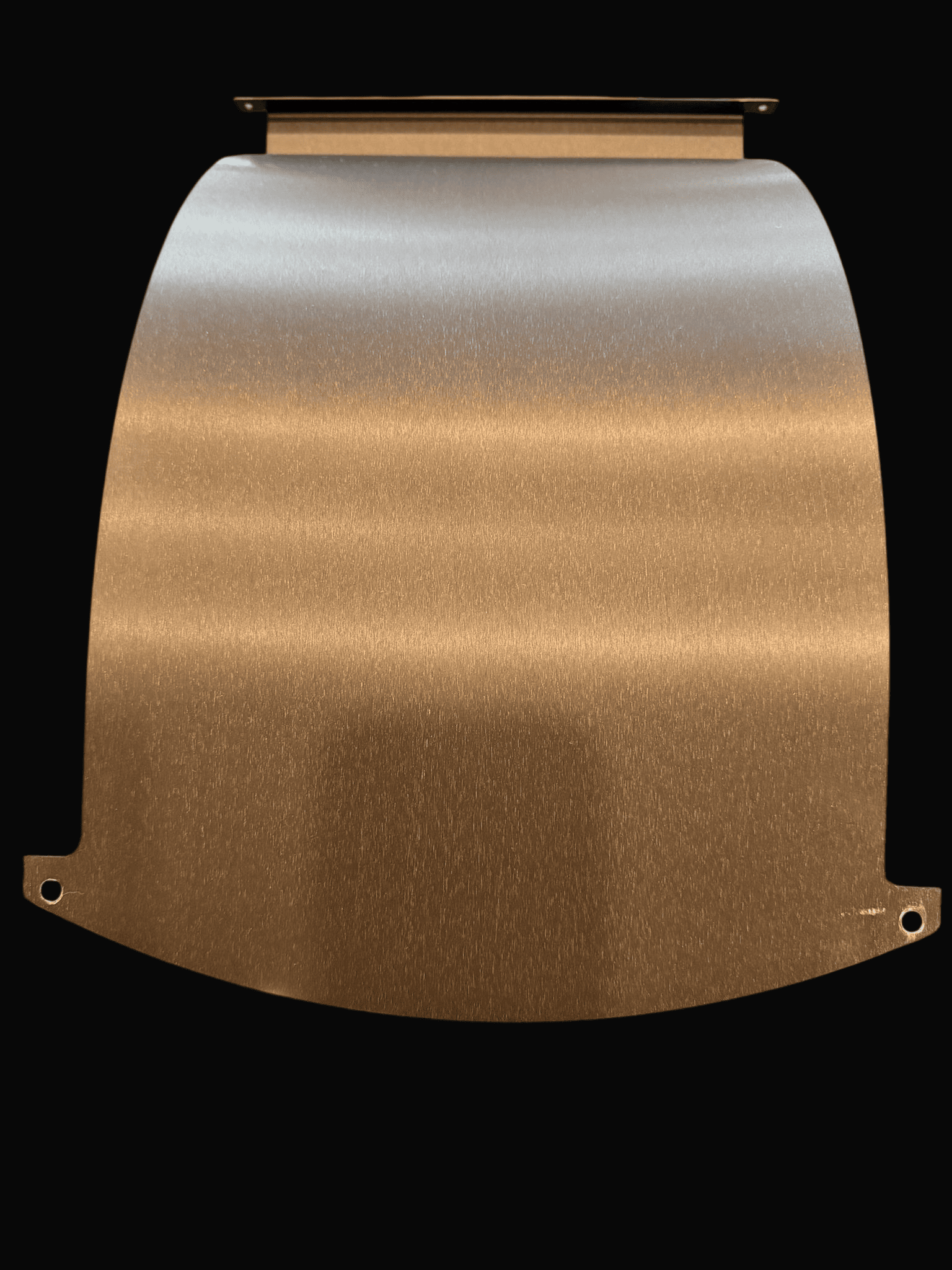
Anodizing is an electrochemical process that converts the metal surface into a decorative, durable, anodic oxide finish. The process is called anodizing because the part to be treated forms the anode electrode of an electrolytic cell.
More InfoBlack Oxide
Black oxide or blackening is a conversion coating for ferrous materials, stainless steel, copper and copper-based alloys. To achieve maximal corrosion resistance, the black oxide must be impregnated with oil or wax. One of its advantages, over other coating processes, is its minimal build-up.
More InfoCadmium
Electroplated cadmium is a robust and versatile metallic coating. Cadmium is a soft white metal that, when plated onto steel, cast iron, malleable iron, copper, and powdered metal, functions as a “sacrificial coating,” corroding before the substrate material. Cadmium plated surfaces resist mold or bacteria growth. The typical thickness of cadmium ranges from .0002 to .0008 inches.
More InfoCopper
Copper plating is the process of depositing a copper layer onto various metals for functional and decorative purposes. Copper can produce a dull, polished, semi bright, gloss or satin finish and is used to coat metals for purposes ranging from automotive to medical. Copper is a chemical element with a high thermal and electrical conductivity, and is antibacterial, tough, ductile and non-magnetic.
More InfoElectro-polishing
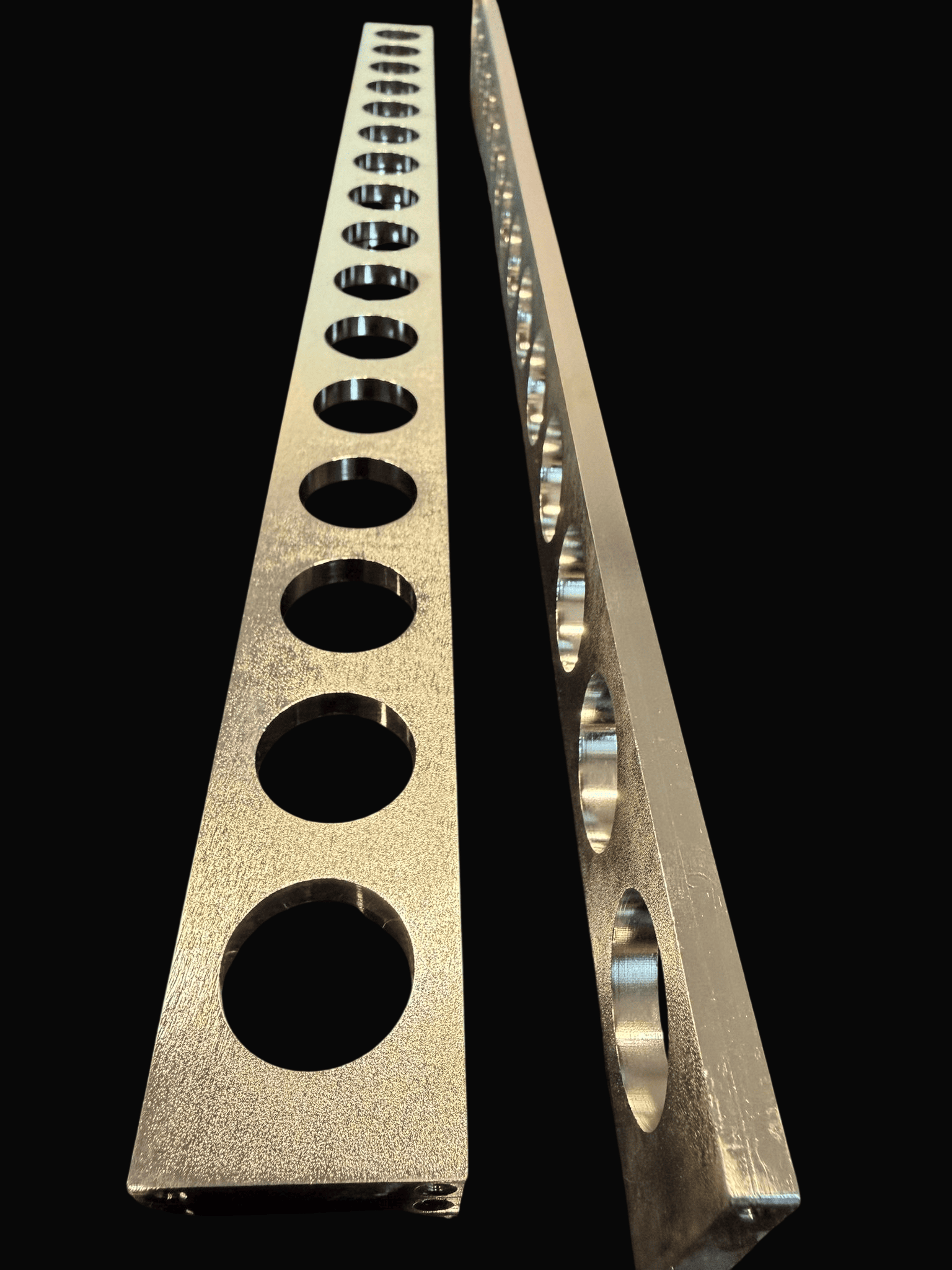
Electro-polishing, also known as electrochemical polishing, anodic polishing, or electrolytic polishing (especially in the metallography field), is an electrochemical process that removes material from a metallic work-piece, reducing the surface roughness by levelling micro-peaks and valleys, improving the surface finish Electro-polishing stainless steel is a “reverse plating” process that uses an electrochemical solution to remove the outer skin of a metal part. Electro-polishing stainless steel, especially 300 and 400 series stainless steel, significantly improves a part’s corrosion resistance, leaving it with a lasting bright finish.
More InfoElectroless Nickel
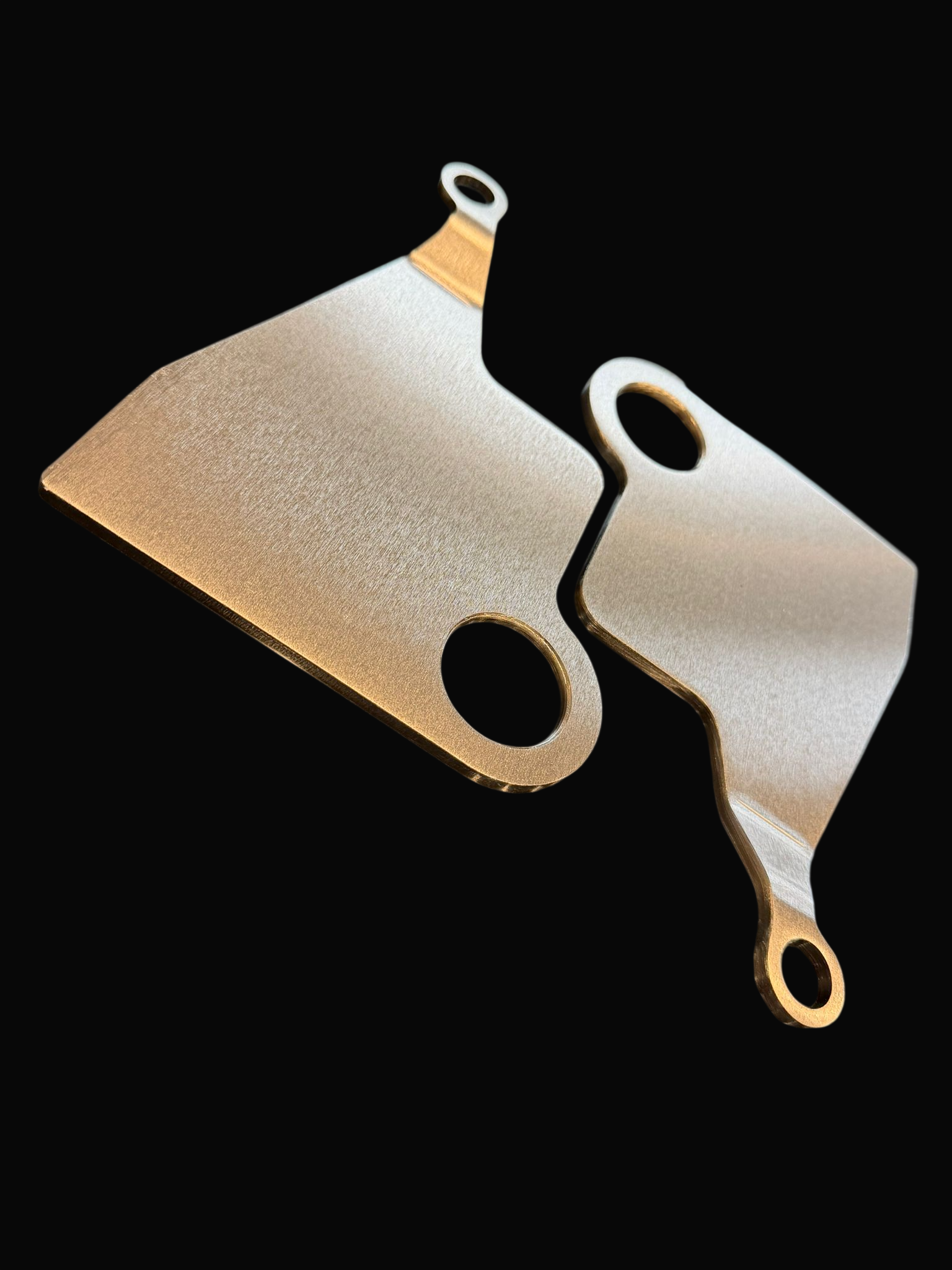
Electro-less nickel plating is a chemical process that deposits an even layer of nickel phosphorus alloy on the surface of a solid substrate (metal). The process involves dipping the substrate in a water solution containing nickel salt and a phosphorus-containing reducing agent. Electro-less nickel plating is a process that requires depositing a nickel alloy from aqueous solutions onto a substrate without the use of electric current. Therefore, it differs from electroplating which depends on an external source of direct current to reduce nickel ions in the electrolyte to nickel metal on the substrate. Electro-less nickel plating is a chemical process which reduces nickel ions in a solution to nickel metal by chemical reduction.
More InfoElectroplated Nickel
Nickel electroplating is a technique consisting of electroplating a thin layer of nickel onto a metal object. The nickel layer can be decorative, provide corrosion resistance, wear resistance, or used to build up worn or undersized parts for salvage purposes. A wide range of metals can be electrodeposited.
More InfoIrridite - Alodine
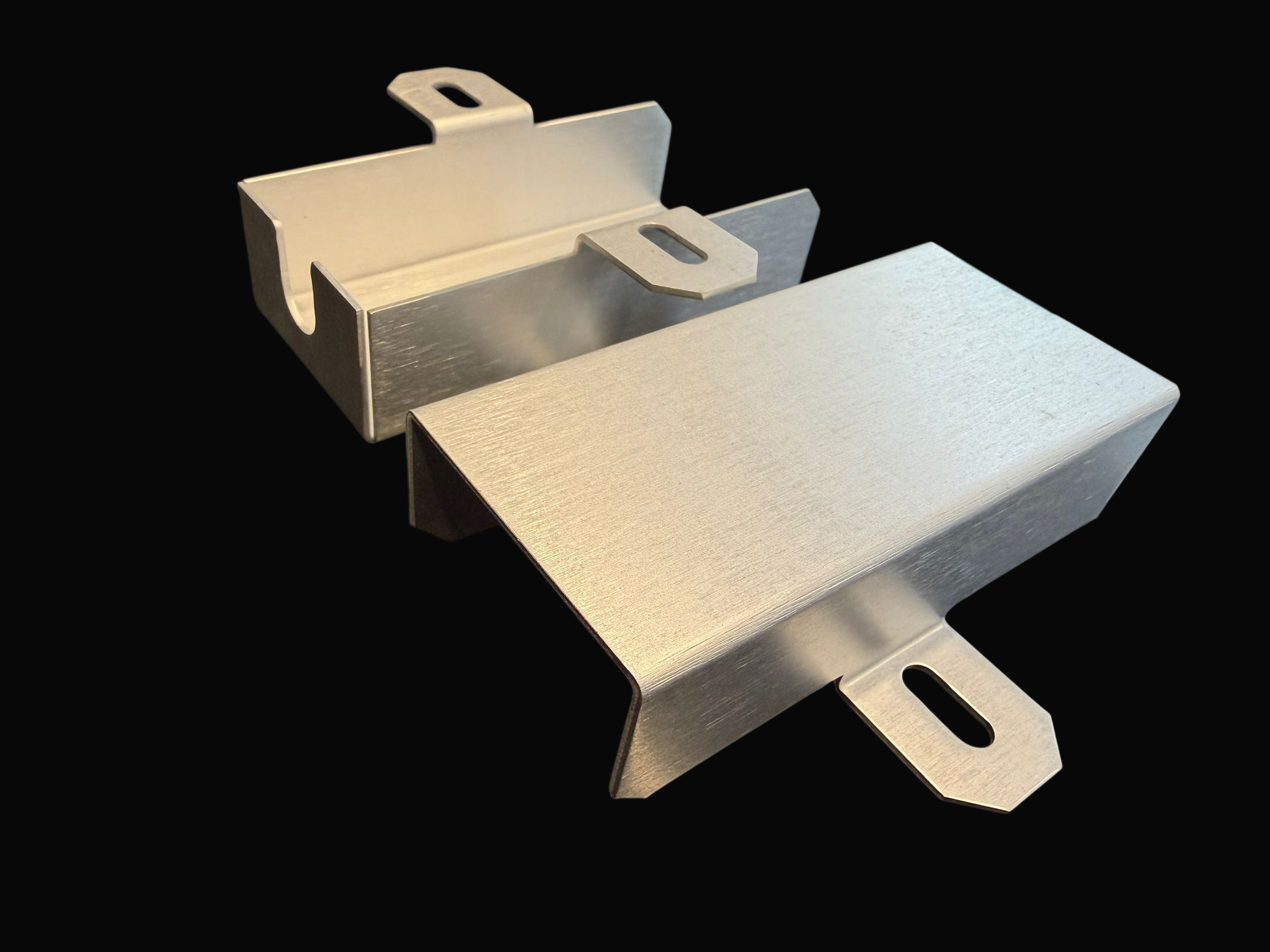
Irridite/Alodine is a chemical process that produces a protective chromate conversion film on aluminum and aluminum alloys. The application process is by dip/immersion producing a coating ranging from Clear to Dark Yellow.
More InfoPassivation
Passivation is the process of treating or coating a metal to reduce the chemical reactivity of its surface. On stainless steel, passivation requires removing the free iron from the surface of the metal using an acid solution to prevent rust. Passivation is the final treatment/cleaning process used to remove iron from the surface of corrosion resistant steel parts to insure than a more uniform formation of a passive surface is obtained, thus enhancing corrosion resistance.
More InfoPhosphate
Zinc phosphate coating is formed through a process of crystallization on the surface by a chemical reaction. The Zinc phosphate process should be applied by immersion, and it can be used for any phosphate application.
More InfoSalt Spray Testing - Adhesion and Thickness Testing for plating
The Salt Spray Test is a standardized and popular corrosion test method used to verify corrosion resistance of materials and surface coatings. Usually, the materials to be tested are metallic and finished with a surface coating which is intended to provide a degree of corrosion protection to the underlying metal.
More InfoSandblast - Glass-Bead - Brushing - Polishing - Masking - Baking
Sandblasting can remove paint, rust, and residue from oxidation from materials quickly and efficiently. Sandblasting can also be used to change the condition of a metal’s surface, such as through removing scratches or casting marks. Sandblasting, as a cleaning method, has been widely used for over a hundred years.
More InfoSilver
Silver lends itself well to electroplating due to its unique properties, which are unlike many other metals. Clients have used this material for years across numerous industries — and for a good reason. The material’s defining characteristics combine to create a metal that is durable, affordable and hardier than the rest when operating within diverse industrial applications. If you are looking for a cost-effective plating solution, silver is a top choice. By emphasizing quality and function, this metal has earned a valuable space among popular metals used for plating.
More InfoTin
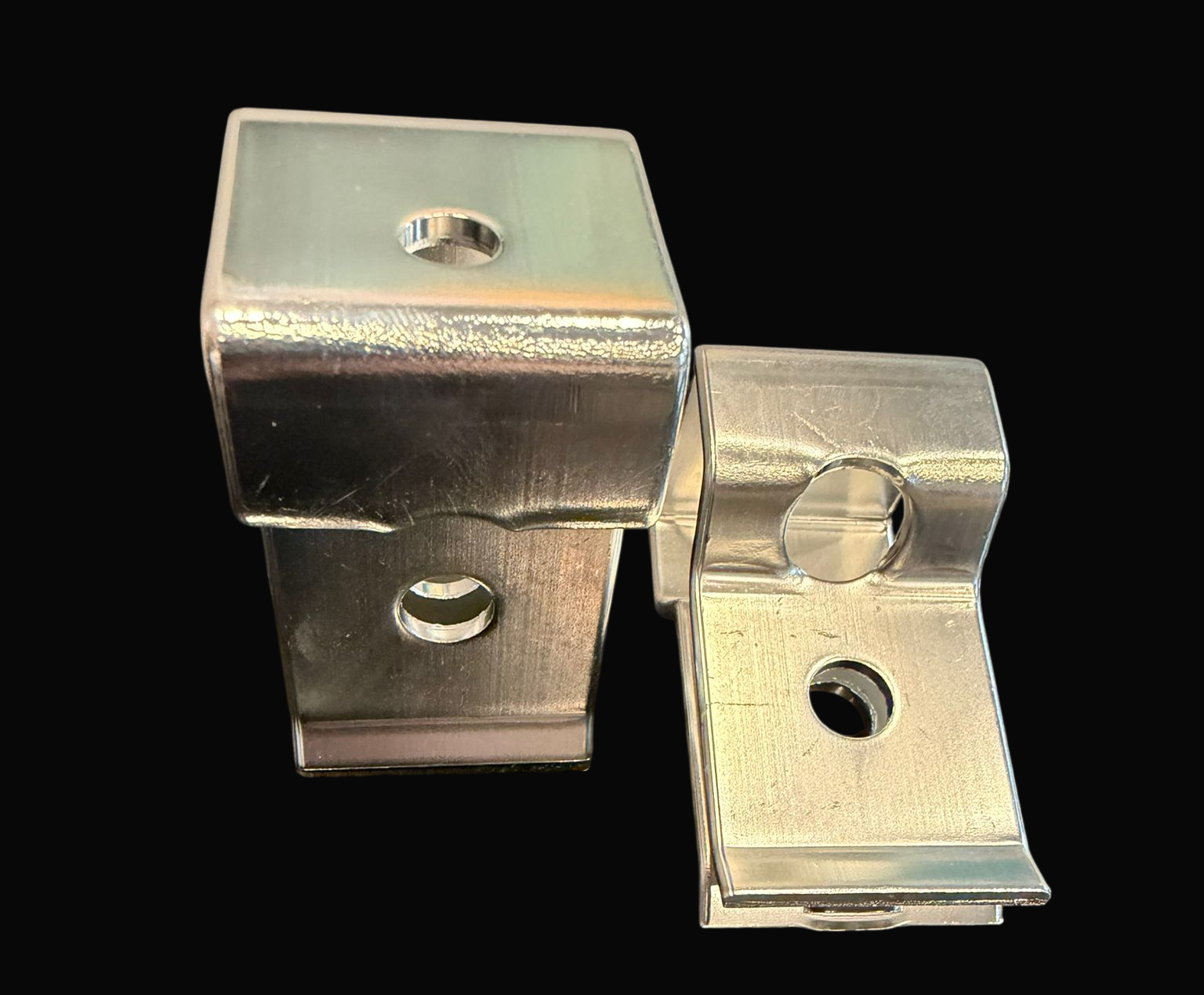
Why is tin such a popular choice for electroplating? Perhaps the biggest reason is that tin plating — or “tinning” — is an extremely cost-effective process. Because tin is so readily available, it is much less expensive than pricier metals such as gold, platinum or palladium. Tin also offers excellent solderability as well as superior protection against corrosion.
More InfoUltra Sonic Cleaning and Chemical Cleaning of Metals
Ultrasonic cleaning is a process that uses ultrasound (usually from 20–40 kHz) to agitate a fluid. The ultrasound can be used solely with water. However, the use of a solvent appropriate for the object to be cleaned and the type of soiling present enhances the effect. Strong acids, such as hydrochloric acid and sulfuric acid are common. Nonetheless, different applications use various other acids. Moreover, alkaline solutions can be used for cleaning metal surfaces. Solutions usually also contain additives such as wetting agents and corrosion inhibitors.
More InfoZinc Plating
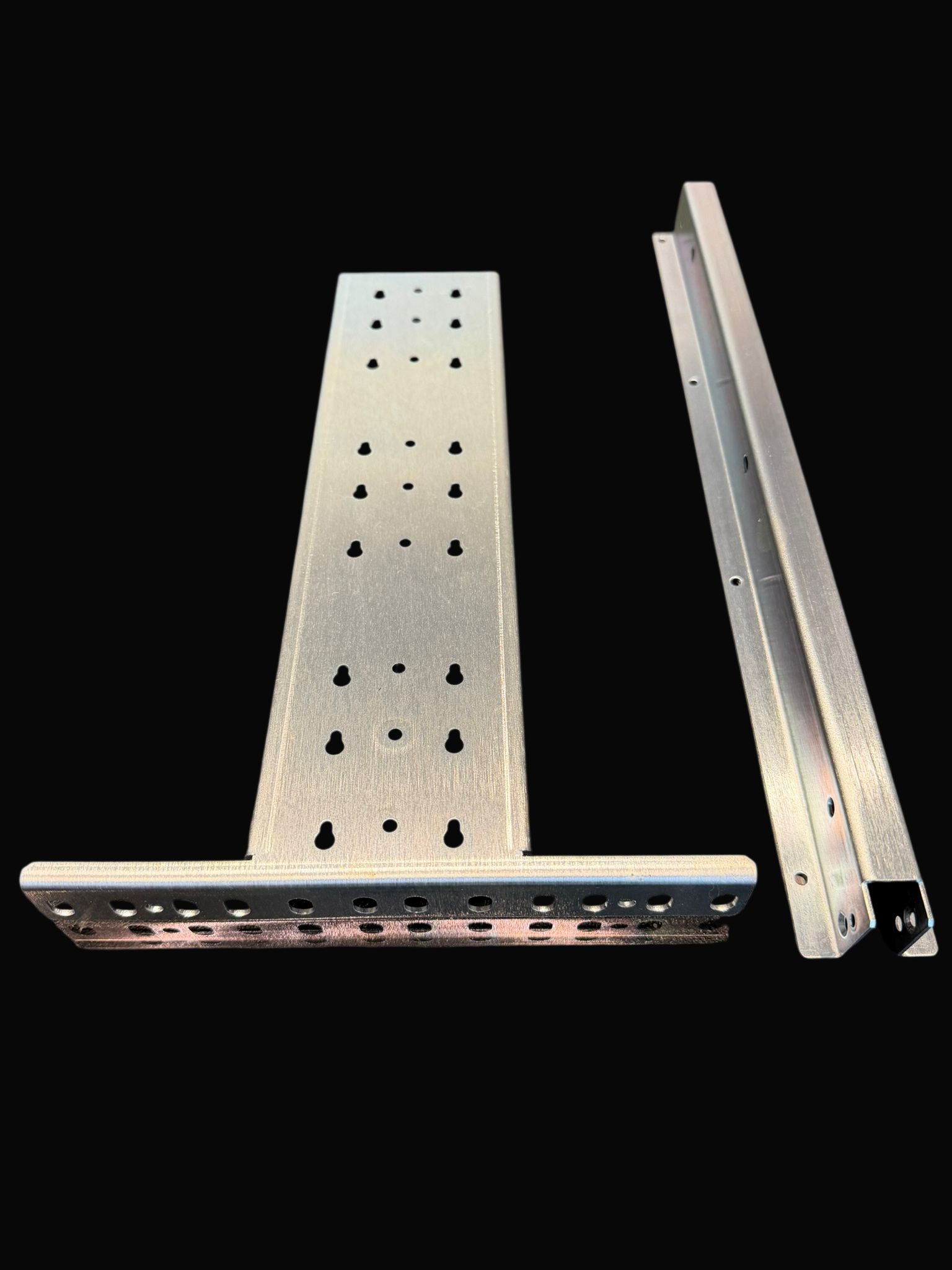
Zinc plating involves the electro-deposition of a thin coating of zinc metal onto the surface of another metal object/base-metal. The zinc coating is a sacrificial that prevents rust from reaching the underlying metal surface. Zinc is chosen because of its innate ability to fight corrosion.
More Info