
Ultrasonic cleaning is a process that uses ultrasound (usually from 20–40 kHz) to agitate a fluid. The ultrasound can be used solely with water. However,the use of a solvent appropriate for the object to be cleaned and the type of soiling present enhances the effect. Strong acids, such as hydrochloric acid and sulfuric acid are common. Nonetheless, different applications use various other acids. Moreover, alkaline solutions can be used for cleaning metal surfaces. Solutions usually also contain additives such as wetting agents and corrosion inhibitors.
Alkaline cleaning agents contain strong bases such as sodium hydroxide or potassium hydroxide. Often, dispersants used to prevent re-deposition of dissolved dirt and chelants used to attack rust are added to the alkaline agent. Alkaline cleaners can dissolve fats (including grease), oils, and protein-based substances. Alkaline cleaners are specifically formulated chemical blends consisting of alkaline salts, wetting agents and sequestrant (chelating) agents. They owe their detergency, or cleaning ability, to the displacement of contaminants by surface-active materials and alkaline builders. These constituents remove the contaminants and allow them to be easily rinsed away.

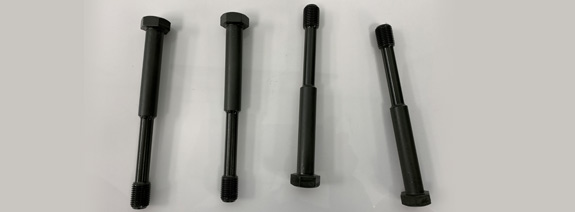 Zinc Plating.
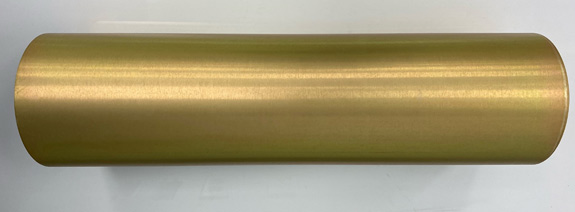 Irridite / Alodine
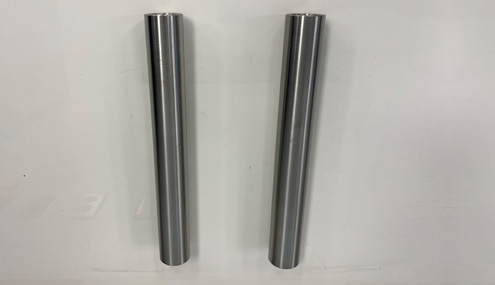 PASSIVATION
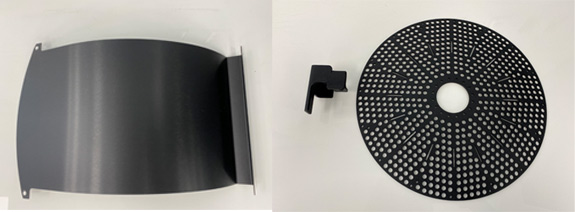 Anodizing
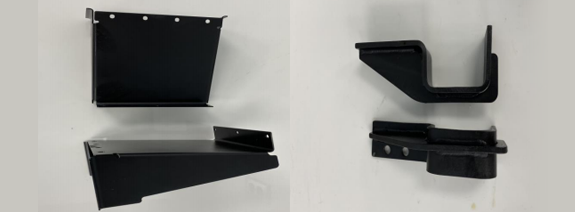 Black oxide
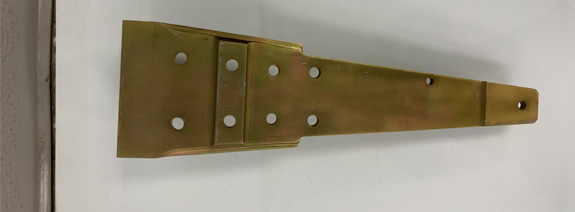 CADMIUM
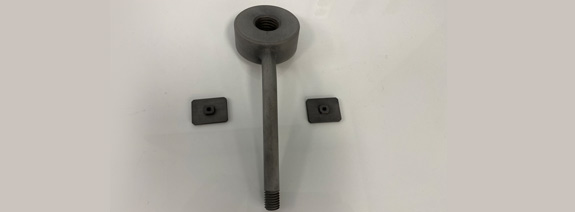 PHOSPHATE
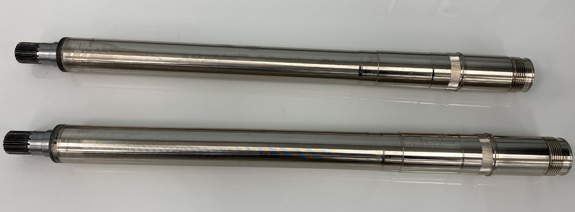 ELECTROLESS NICKEL
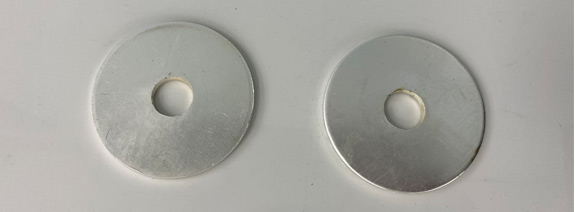 SILVER
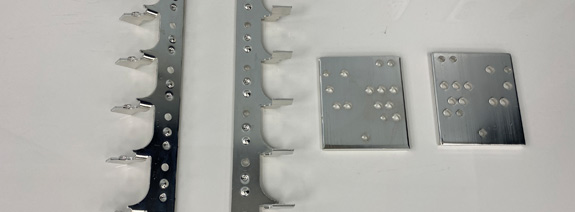 TIN Zinc Nickel
 DECORATIVE / INDUSTRIAL CHROME
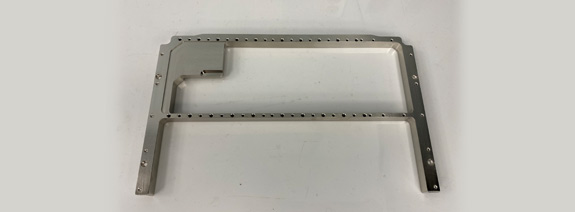 ELECTRO PLATED NICKEL
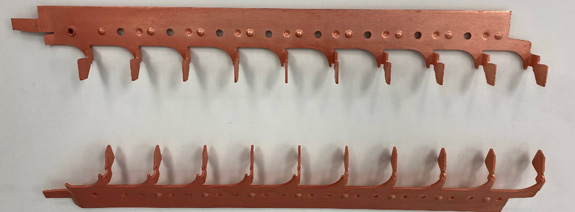 COPPER PLATING
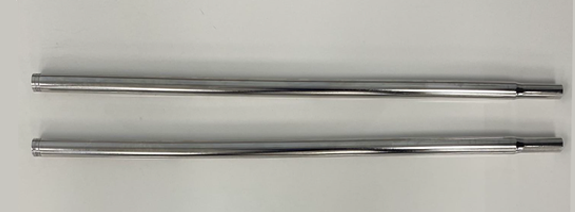 Electro – Polishing Ultra Sonic Cleaning and Chemical Cleaning of Metals
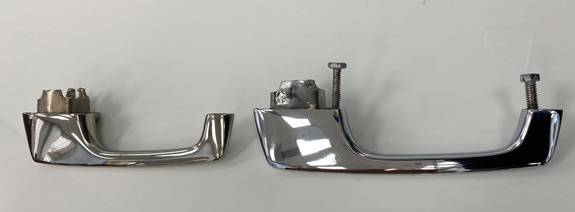 Sandblast / Glass-Bead /Brushing / Polishing / Masking / Baking
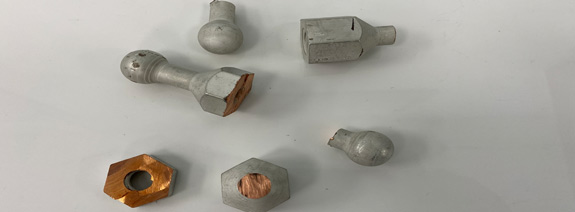 Salt Spray Testing / Adhesion and Thickness Testing for plating Powder and liquid Paint